Physiotherapy
Physiotherapy helps to restore and maintain movement and function during physical rehabilitation and focuses on injury prevention and the promotion of health and fitness.
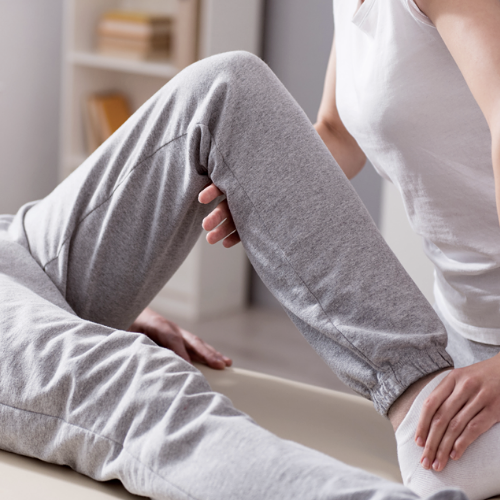
Manual Therapy
This includes “hands-on” treatment to promote and restore normal joint and muscle movement, and decrease pain. Manual therapy aids in the recovery of proper motion to help restore normal function.
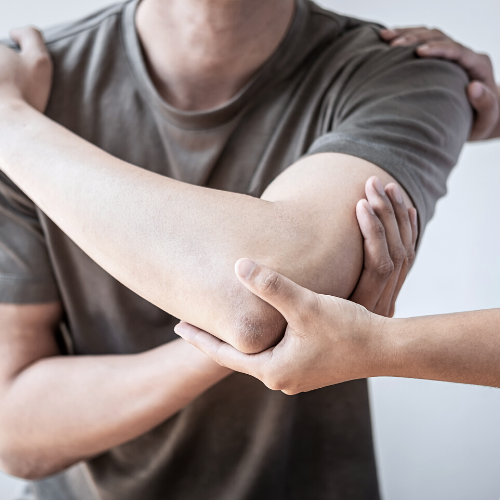
Therapeutic Exercise
The use and prescription of stretches, strengthening, movement patterns, and other forms of exercise that help with mobility, encourage the balance of different muscle groups and help you in your work, sport, hobby, or everyday life.
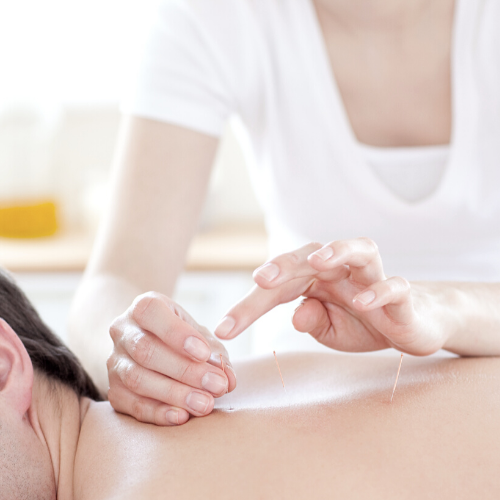
Dry Needling
The application of fine acupuncture needles into tight bands of muscle tissue decreases nerve compression within a muscle and increases the mobility of myofascial tissue. Useful in the management of chronic pain.
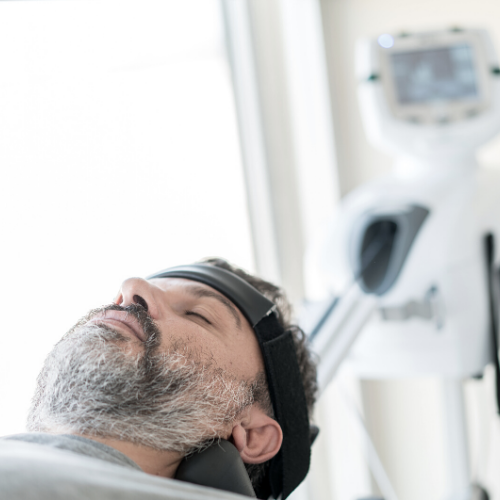
Traction Lumbar
The use of a mechanical pull on a special bed to help alleviate compression in the lower back.
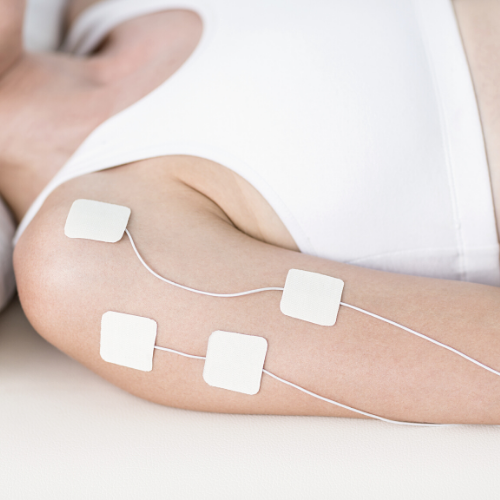
Electrotherapy and Modalities
The adjunct use of electrical muscle stimulation, TENS, interferential current, and therapeutic ultrasound to aid with muscle engagement, pain control, and blod flow
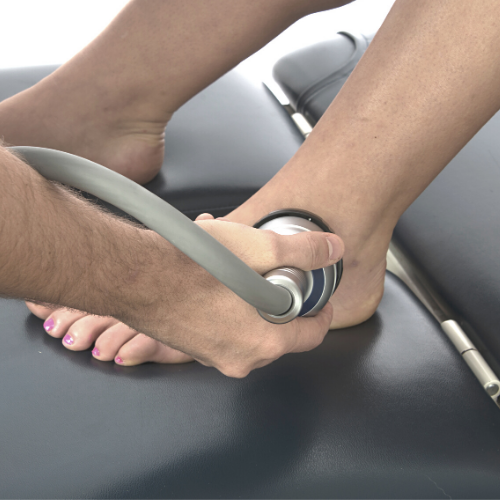
Shockwave Therapy
The use of acoustic sound waves produced by compressed air applied through an applicator. This is non-invasive and is used to stimulate the repair and regeneration of tissue.
Athletic Therapy
Athletic therapists have expertise in musculoskeletal conditions and provide comprehensive and consistent care from the treatment of the injury to the full return to activity.
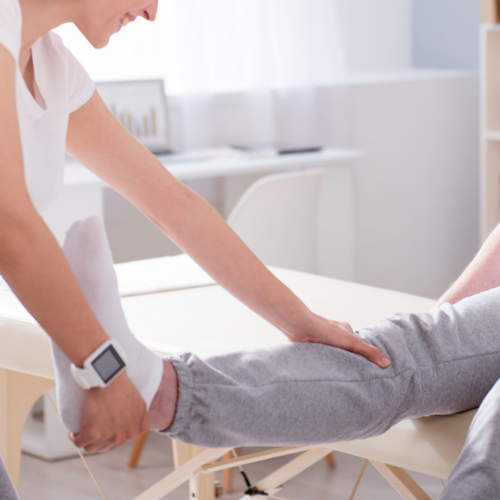
Certified Athletic Therapists (CATC)
Pre-hospital medical emergency management, immediate care, and reconditioning of musculoskeletal injuries and illnesses, including minimizing further injuries/illnesses.
Book an Appointment Today!
Contact us to see how we can maximize your function!